You cut out bread, say no to pasta, and pizza is on your personal blacklist. Yet, somehow, the weight doesn’t seem to shift. Then you take a holiday in Italy and suddenly you see slim Italian women happily twirling forkfuls of spaghetti, enjoying pizza, and sipping wine without a hint of guilt. Annoying, right? Are they just genetically blessed—or is there something else going on?
While much of the Western world, including South Africa, is battling rising obesity levels, Italy keeps theirs at around 10 percent. And the irony? Their everyday meals include exactly the kind of “forbidden foods” most diet plans tell you to avoid. Think white bread, pasta, pizza—yes, all the carb-heavy favourites.
But here’s the secret: Italians eat differently. And maybe, just maybe, that’s where South Africans can take a few notes.
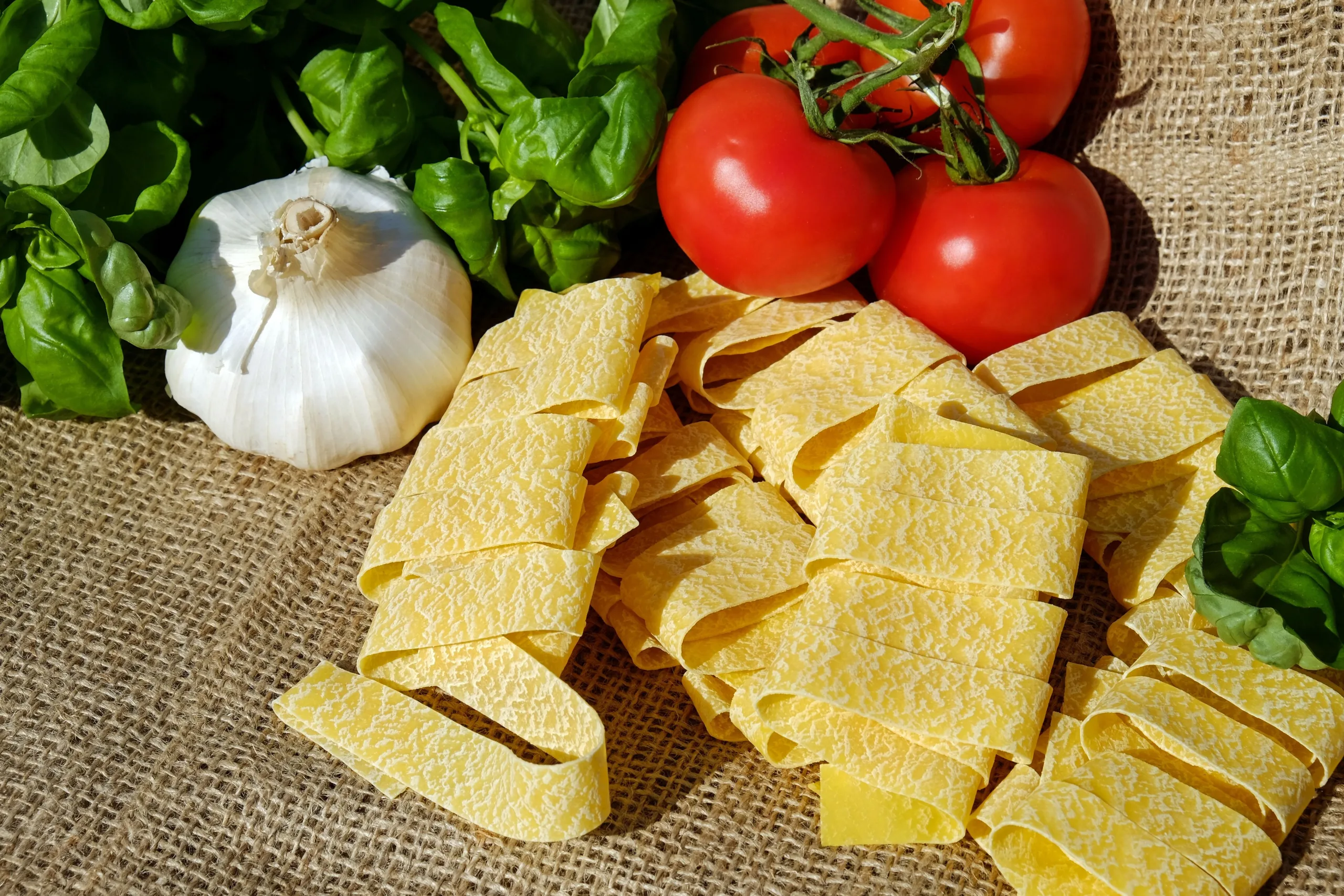
Pasta isn’t the enemy—if you cook it right
Italians never overcook pasta. They eat it al dente—firm to the bite. Why does this matter? Because pasta prepared this way has a surprisingly low glycaemic impact compared to rice, bread or potatoes. It doesn’t spike your blood sugar as much, meaning you stay fuller for longer. Once pasta is overcooked, this benefit disappears.
Size matters
In South Africa, a plate of pasta often takes up the whole dinner table. In Italy, pasta is usually just the first course. That means the portion is small—just enough to enjoy the flavour without turning it into a carb overload.
Ditch the ketchup
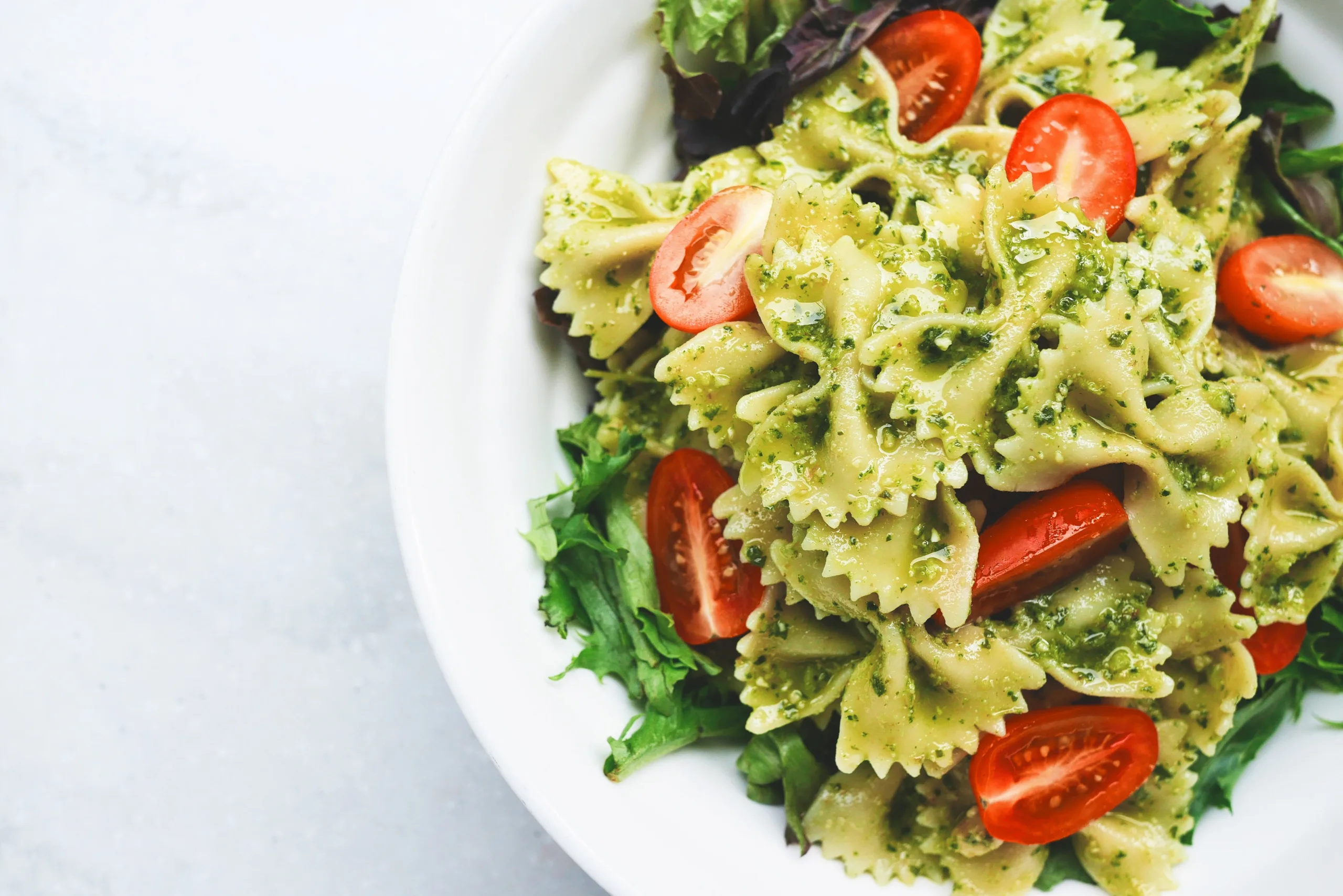
If you try to drown spaghetti in ketchup in Italy, you’ll probably be kicked out of the restaurant. Italians keep things simple: olive oil, garlic, fresh tomatoes, a few herbs, and maybe a sprinkling of Parmesan. That’s it. No heavy cream, no loads of butter, and definitely no tinned shortcuts if fresh produce is available. Their sauces are lighter, fresher, and a lot healthier.
Fresh, simple, and balanced
Italian meals may look indulgent, but they’re surprisingly clean. Very little processed food, hardly any red or fatty meat, and lots of fish, poultry, and vegetables. Meals are roasted, baked, or simmered—fried food is more of an exception than a rule. Compare that to the South African obsession with deep-fried snacks or boerewors rolls on the go.
What they drink matters too
Italians are not big on sugary soft drinks. At lunch or dinner, it’s usually a glass of water and maybe a splash of wine—never a litre of cola or a syrupy cocktail. Coffee is another ritual, but always small, strong, and unsweetened. That means they’re not drowning every meal in hidden calories from sweetened drinks, which is a huge contrast to South Africa’s love for fizzy sodas, sweetened iced teas, or giant milkshakes. The Italian approach is simple: keep drinks light, natural, and in moderation.
Bkw pastaSource
The lifestyle difference
And here’s a major factor we often ignore: Italians move. A lot. In most towns and cities, people cycle, walk, and spend evenings out dancing or simply socialising. Staying active is part of daily life—not just something you force yourself to do in a gym.
The secret ritual: La Passeggiata
If there’s one habit South Africans could borrow, it’s this: the after-dinner walk. Italians call it la passeggiata. Every evening, people take a gentle stroll—often with friends or family. It’s not exercise in the sweaty, painful sense—it’s social, enjoyable, and part of the culture. But it also quietly burns off those dinner calories.
Of course, you can’t go for a walk if you’ve eaten yourself into a food coma. Italians keep portions balanced so they can still get up, move, and enjoy the evening. Because food, for them, isn’t about stuffing yourself—it’s about pleasure, connection, and enjoying life.
So yes—you really can eat pasta and not get fat. The trick isn’t to avoid carbs forever, but to eat them like the Italians do: in moderation, with fresh ingredients, and with an active lifestyle that keeps everything in balance.
Sources:
https://www.tiltedmap.com/
https://time.com/
https://www.mediterrasian.com/