
It may look like pure tomato goodness, but what’s really hiding in that bottle might surprise you. Here’s why South Africans are rethinking their favourite ‘tamatie sous’.
For many South Africans, “tomato sauce” — or “tamatie sous” as it’s called in Afrikaans — is a must-have on the table. It goes with everything: chips, boerewors rolls, braai leftovers, and even scrambled eggs for the bold. But here’s a little secret that might make you look twice at that squeeze bottle: there’s not nearly as much tomato in ketchup as you think.
We’ve been conditioned to see ketchup as a tomato product, but the truth is, most commercial brands contain more sugar, salt, and preservatives than actual tomatoes. Yes, the label might proudly show bright red tomatoes, but when you read the ingredients list, they’re often not even the first item mentioned — meaning there’s more of something else inside.
So What’s Really in That Bottle?
Let’s break it down.
A typical bottle of ketchup is made up of:
- Around 60% water,
- About 20–25% sugar,
- A bit of vinegar and salt,
- A mix of preservatives, thickeners, and “natural flavourings”,
- And finally — somewhere between 5–10% actual tomato paste.
Surprised? You’re not alone. When people realise how little tomato goes into their favourite sauce, it suddenly feels less like a “vegetable serving” and more like a sweet condiment with red colouring.
That’s why ketchup is often so addictive — it’s engineered to be perfectly sweet-and-salty, just enough to make your taste buds happy, even if your body isn’t as thrilled.

The Sugar Story Nobody Talks About
If you check the label of a regular ketchup bottle, you might find around 20 grams of sugar per 100 grams of sauce. That’s roughly five teaspoons of sugar in just a few squeezes.
And since we tend to pour it generously (because who eats one teaspoon of ketchup?), it adds up fast — especially for kids. It’s no wonder many nutritionists now recommend treating ketchup like dessert: a little is fine, but moderation is key.
What’s even trickier is that ketchup doesn’t taste extremely sweet, because the acidity of vinegar and tomatoes hides it. That’s part of why we underestimate how much sugar we’re really eating.
Tomato or Marketing Magic?
To be fair, not all ketchup is created equal. Some premium or organic brands use more real tomato and less sugar — but they’re usually pricier and harder to find. Still, it’s worth checking labels for these clues:
- Look for “tomato paste” as the first ingredient, not water or sugar.
- Choose options with no high-fructose corn syrup (a common sweetener in imported brands).
- The shorter the ingredient list, the better.
- Or better yet — make your own. It’s easier than it sounds, and you can control exactly what goes in.
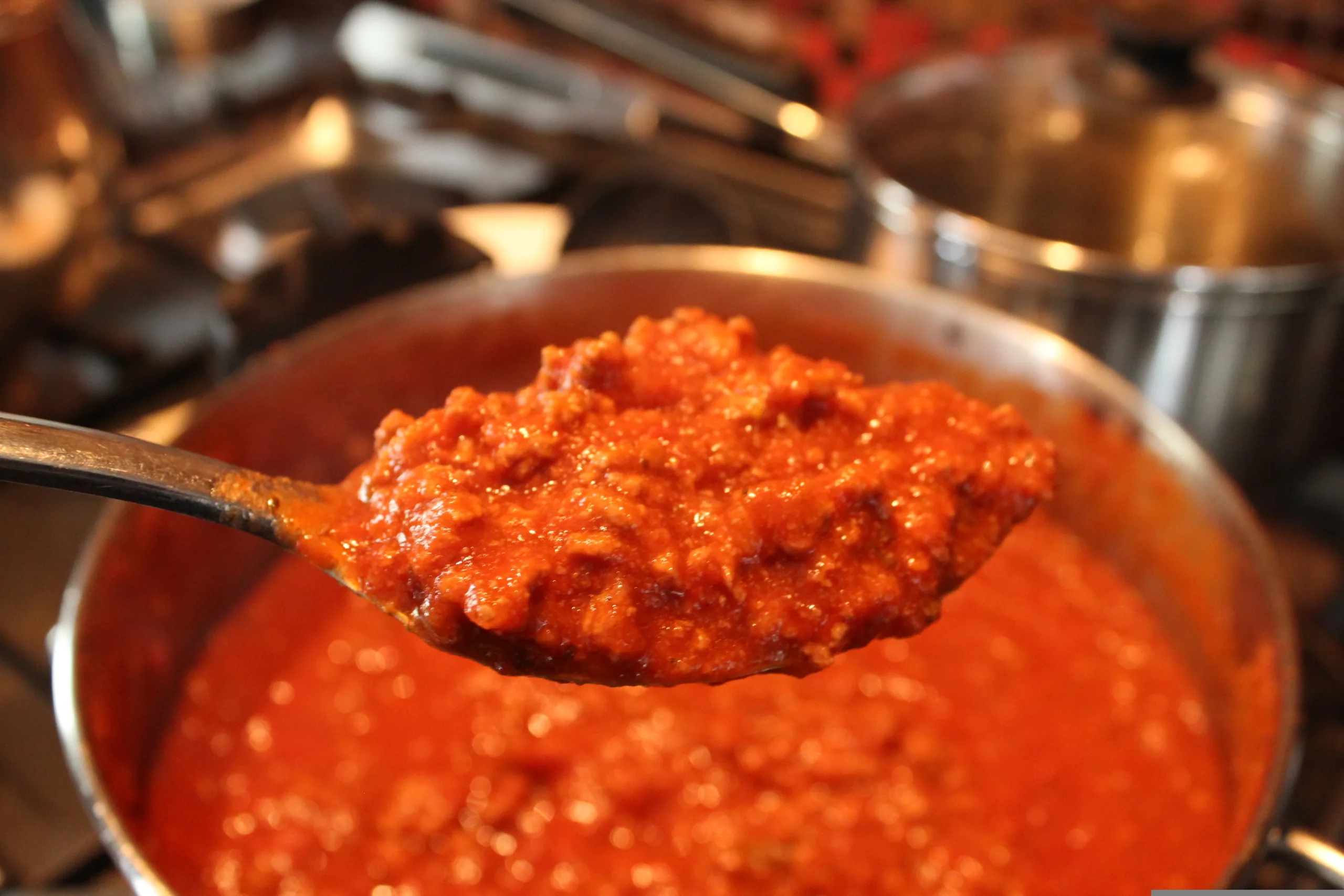
Homemade Ketchup: The Real Sous Tamati
If you’ve never tried homemade ketchup, you’re in for a treat. It tastes richer, fresher, and has a beautiful natural sweetness — no chemistry degree required.
You’ll need:
- 4 large ripe tomatoes
- 2 tablespoons of tomato paste
- 2 tablespoons of brown sugar
- 2 tablespoons of apple cider vinegar
- 1 teaspoon of salt
- A pinch of ground cloves or cinnamon (optional, for warmth)
How to make it:
Chop the tomatoes and simmer them in a small pot with the vinegar, sugar, and salt for about 20 minutes.
Stir in the tomato paste and any spices you like.
Blend until smooth, then simmer again for another 10 minutes until thickened.
Taste and adjust — add a bit more vinegar if you want it tangy, or a touch more sugar for sweetness.
Let it cool, pour into a jar, and keep in the fridge for up to a week.
The Bottom Line
Ketchup isn’t evil — it just isn’t as tomato-rich as we like to believe. The problem isn’t the sauce itself, but how often and how much we use it. So next time you reach for that bottle, maybe pause for a second. You might decide to try your own tamatie sous instead — real tomatoes, real flavour, and none of the hidden stuff.
Because sometimes, the simplest things taste best when they’re actually real.
Sources:
https://www.ndtv.com/
https://www.telegraph.co.uk/
https://www.hindustantimes.com/